
Stonehaven Bio

Research and education

Stonehaven Insights

Clear research articles, educational guides, and considered perspectives designed to support informed laboratory review.

Latest Insights

BPC-157 Protocols, Monitoring, and Safety: Dosing Tiers, Cycling, Candidate Selection, and Stacking Concepts

Educational Guide

BPC-157 Protocols, Monitoring, and Safety: Dosing Tiers, Cycling, Candidate Selection, and Stacking Concepts

A practical educational guide to BPC-157 protocol design, monitoring, candidate selection, cycling, safety cautions, reconstitution concepts, and stacking ideas. It emphasizes that most support remains preclinical, human evidence is very limited, and protocol choices should be treated as cautious, individualized research-informed concepts rather than clinically proven standards.

Author
Stonehaven Bio
Primary topic
BPC-157 protocols
Publication date
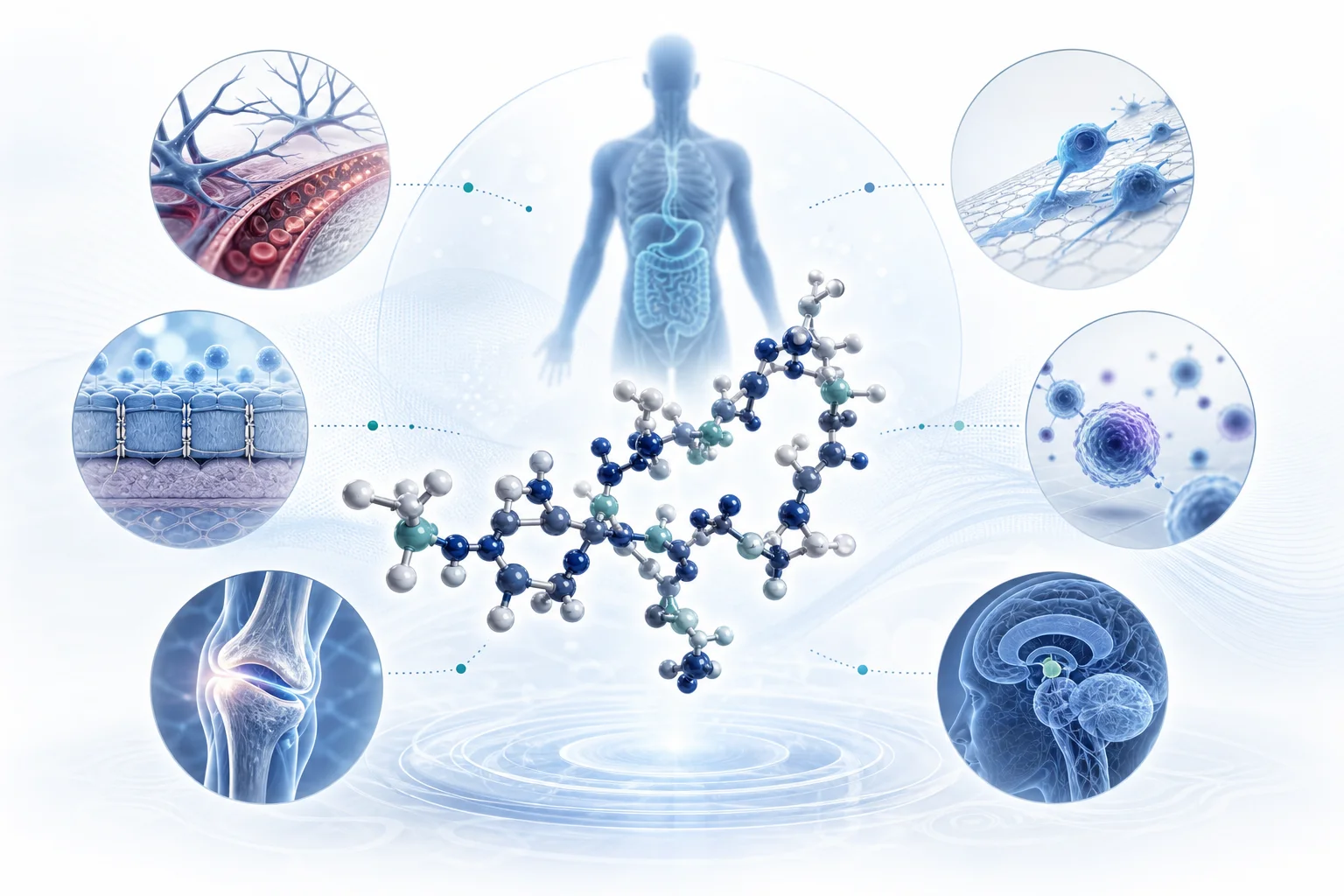
Oral BPC-157 and Gut Barrier Repair: Tight Junctions, NSAID Injury, IBD Models, and Ulcer Research

Research Article

Oral BPC-157 and Gut Barrier Repair: Tight Junctions, NSAID Injury, IBD Models, and Ulcer Research

A gastrointestinal-focused explanation of why oral BPC-157 is discussed in relation to gut barrier physiology, tight junction proteins, intestinal permeability, inflammatory bowel disease models, NSAID-related gastrointestinal injury, alcohol-related injury, and ulcer healing. The article separates mechanistic and preclinical rationale from the current limitation: robust human clinical evidence is still lacking.

Author
Stonehaven Bio
Primary topic
Gut barrier repair
Publication date
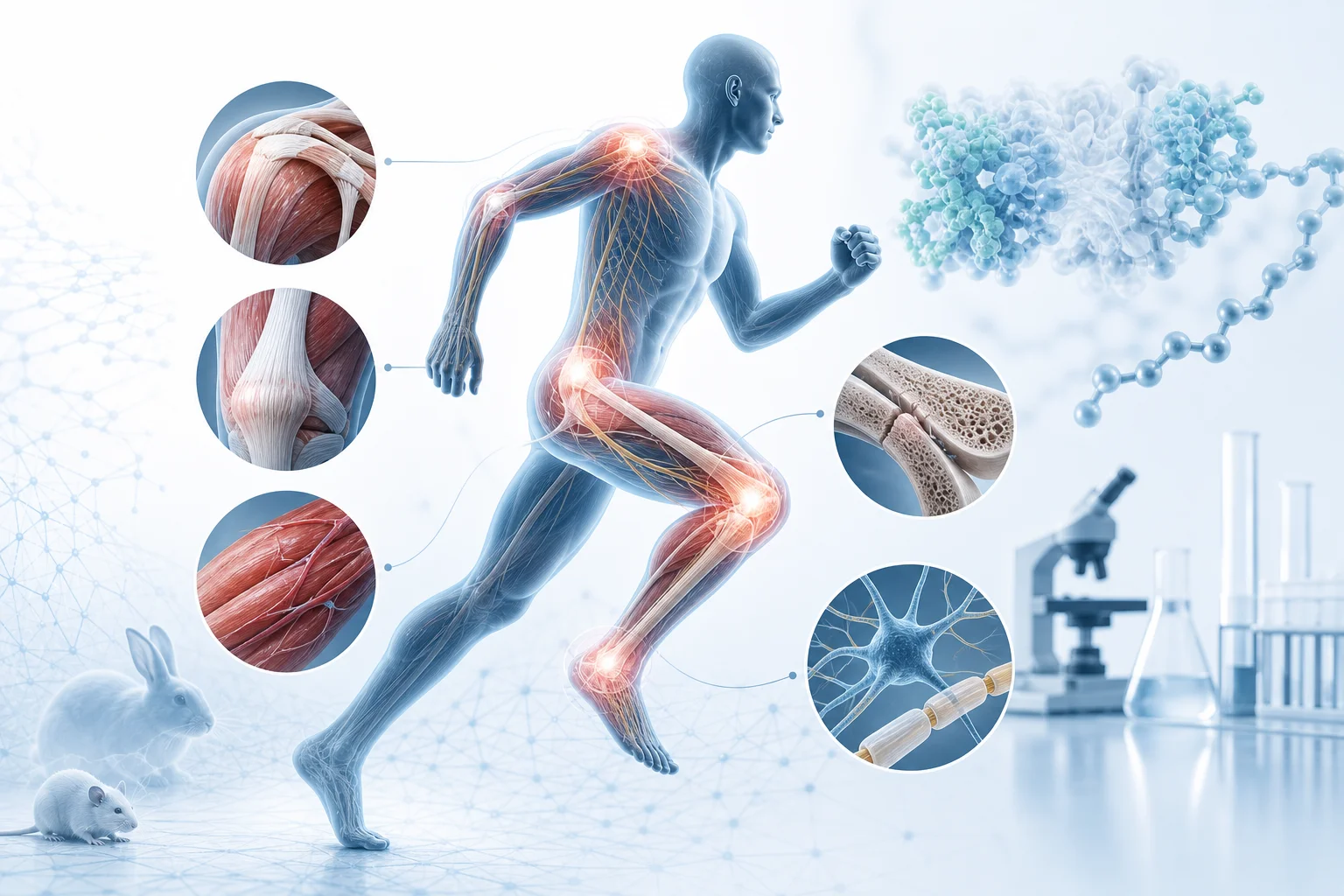
BPC-157 for Tendon, Ligament, Muscle, Bone, and Nerve Recovery: What the Evidence Can and Cannot Show

Research Article

BPC-157 for Tendon, Ligament, Muscle, Bone, and Nerve Recovery: What the Evidence Can and Cannot Show

A focused review of BPC-157’s proposed role in musculoskeletal and peripheral nerve recovery, including tendons, ligaments, muscle strains, fracture healing, and neuropathy models. The article distinguishes animal and mechanistic evidence from limited human data and explains why structural monitoring and functional outcomes matter in injury-focused use.

Author
Stonehaven Bio
Primary topic
Connective tissue recovery
Publication date
BPC-157 Mechanisms: Tissue Repair, Nitric Oxide Signaling, Angiogenesis, and Human Evidence Limits

Research Article

BPC-157 Mechanisms: Tissue Repair, Nitric Oxide Signaling, Angiogenesis, and Human Evidence Limits

An evidence-aware overview of BPC-157 as a regenerative peptide, explaining proposed mechanisms such as nitric oxide regulation, angiogenesis, cell migration, gut barrier repair, inflammatory modulation, and possible growth hormone receptor upregulation. The article emphasizes that the strongest support remains preclinical, while high-quality human clinical evidence is very limited.

Author
Stonehaven Bio
Primary topic
BPC-157
Publication date
NAD+ Protocol Concepts for Fatigue, Brain Fog, Athletic Recovery, and Healthy Aging

Educational Guide

NAD+ Protocol Concepts for Fatigue, Brain Fog, Athletic Recovery, and Healthy Aging

A reader-friendly overview of how NAD+-related approaches are framed for different goals, including general wellness, cognitive or brain fog support, athletic recovery, chronic fatigue or low energy, and clinic-based high-dose repletion. It presents protocol concepts as considerations rather than guaranteed outcomes, while noting cautions about inconsistent metabolic results and the need for supervision with intensive IV use.

Author
Stonehaven Bio
Primary topic
Healthy aging protocols
Publication date
NAD+ Delivery Methods: IV, IM, Subcutaneous, Oral Precursors, and NADH

Educational Guide

NAD+ Delivery Methods: IV, IM, Subcutaneous, Oral Precursors, and NADH

A practical guide comparing common NAD+-related delivery approaches, including IV NAD+, intramuscular injections, subcutaneous injections, oral NR and NMN, and oral NADH. It explains differences in onset, tolerability, supervision needs, absorption, reported dose ranges, and the distinction between direct NAD+ administration and precursor-based NAD+ support.

Author
Stonehaven Bio
Primary topic
NAD+ delivery methods
Publication date
NAD+ as a Cellular Coenzyme: Energy Production, Repair Signaling, and Healthy Aging

Research Article

NAD+ as a Cellular Coenzyme: Energy Production, Repair Signaling, and Healthy Aging

An evidence-aware explanation of NAD+ as a core coenzyme involved in electron transfer, ATP generation, DNA repair enzymes, sirtuin activity, CD38-related NAD+ degradation, inflammation regulation, and circadian rhythm signaling. It helps readers separate established cellular biology from less certain claims about fatigue, cognition, recovery, and longevity outcomes.

Author
Stonehaven Bio
Primary topic
NAD+
Publication date
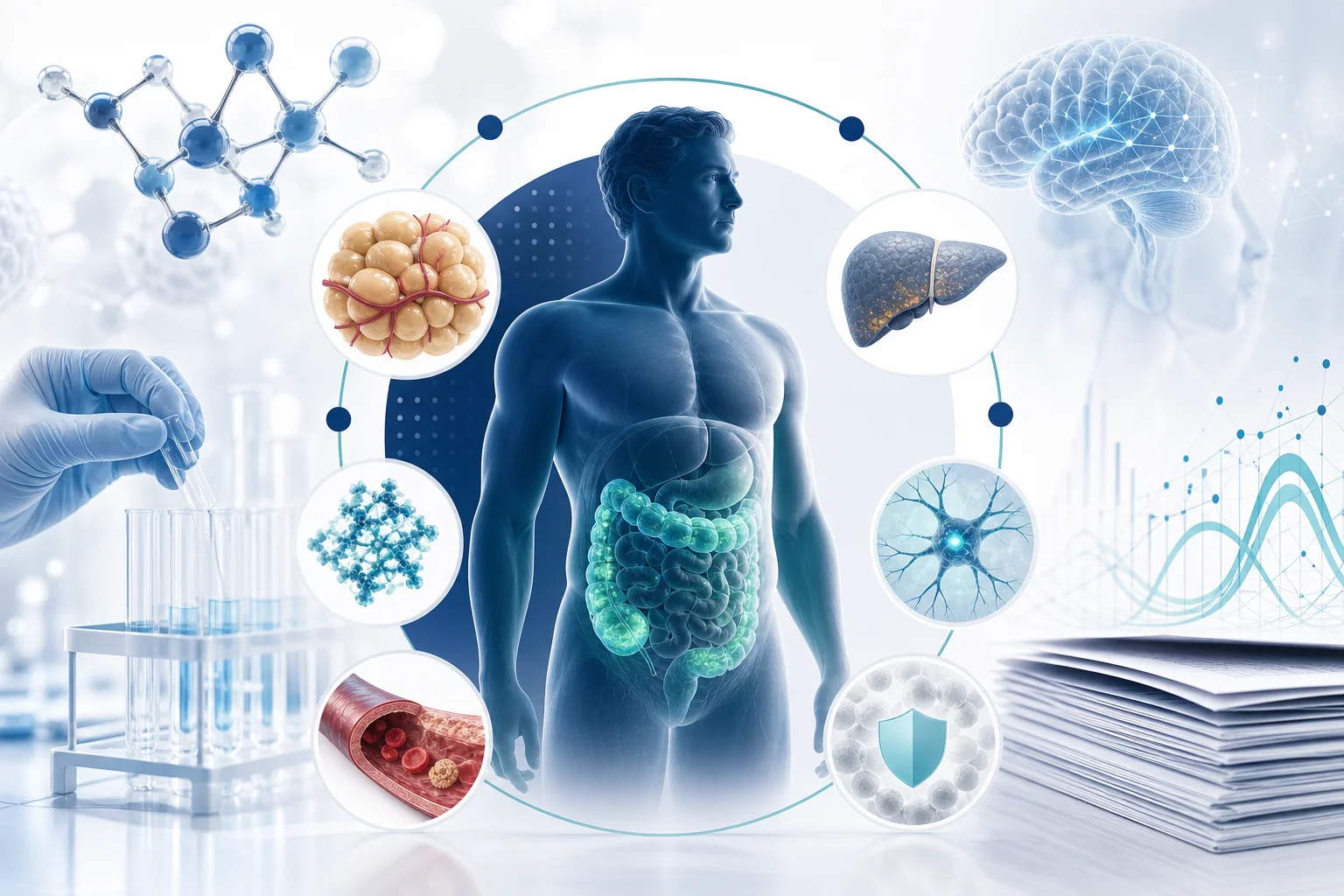
What to Track, How to Stack, and How to Manage Tesamorelin Side Effects

Educational Guide

What to Track, How to Stack, and How to Manage Tesamorelin Side Effects

A monitoring and safety guide for evaluating tesamorelin with objective endpoints such as IGF-1, fasting glucose, HbA1c, waist circumference, visceral fat, and liver-fat imaging when relevant. The article also explains cautious combination logic, common adverse effects, and the findings that should prompt reassessment or discontinuation.

Author
Stonehaven Bio
Primary topic
Tesamorelin monitoring and safety
Publication date
Tesamorelin Protocol and Dosing Guide: What the Label, Trials, and Research Frameworks Actually Say

Educational Guide

Tesamorelin Protocol and Dosing Guide: What the Label, Trials, and Research Frameworks Actually Say

A practical guide that separates current Egrifta WR and Egrifta SV prescribing information from historical 2 mg clinical-trial dosing and off-label research conventions. The article helps readers understand why tesamorelin dosing is often confused, how timing and cycling claims should be qualified, and why branded formulations are not interchangeable.

Author
Stonehaven Bio
Primary topic
Tesamorelin dosing and protocols
Publication date
Where the Clinical Evidence on Tesamorelin Actually Stands

Research Article

Where the Clinical Evidence on Tesamorelin Actually Stands

A research-focused review of tesamorelin evidence across visceral fat, liver fat, IGF-1, lipids, cognition, durability, and safety gaps. The strongest human evidence comes from adults with HIV-associated abdominal fat accumulation, while liver and cognition findings are narrower or earlier-stage and should not be generalized to routine weight loss, anti-aging, or cosmetic use.

Author
Stonehaven Bio
Primary topic
Tesamorelin clinical evidence
Publication date
What Is Tesamorelin? The FDA-Approved GHRH Analog Explained

Educational Guide

What Is Tesamorelin? The FDA-Approved GHRH Analog Explained

An accessible explanation of tesamorelin as a synthetic GHRH analog that stimulates endogenous growth hormone release rather than supplying HGH directly. The article clarifies its FDA-approved role in reducing excess abdominal fat in adults with HIV-associated lipodystrophy, distinguishes visceral-fat effects from general weight loss, and explains why broader uses require caution.

Author
Stonehaven Bio
Primary topic
Tesamorelin
Publication date
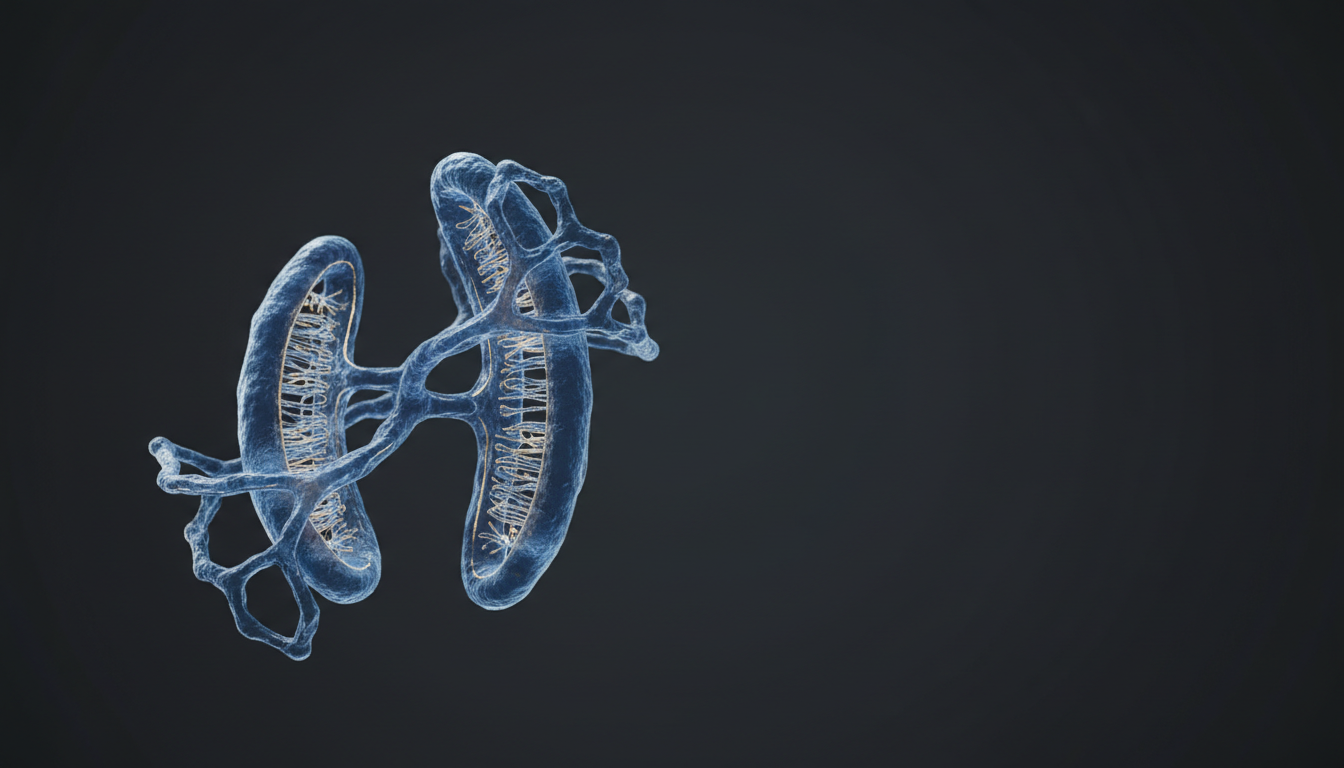
SS-31 works by stabilizing cardiolipin and repairing mitochondrial architecture

Research Article

Where the Clinical Evidence on SS-31 Actually Stands (Part 2)

Beyond its approval for Barth Syndrome, SS-31 has been studied across kidney protection, cardiovascular function, exercise performance, neurological health, and eye disease. This piece breaks down the evidence area by area — including where results are strong (renal blood flow, exercise capacity) and where they're more mixed (human cardiovascular trials, brain penetration) — for a clear-eyed picture of what the research actually supports.

Author
Stonehaven Bio
Publication date
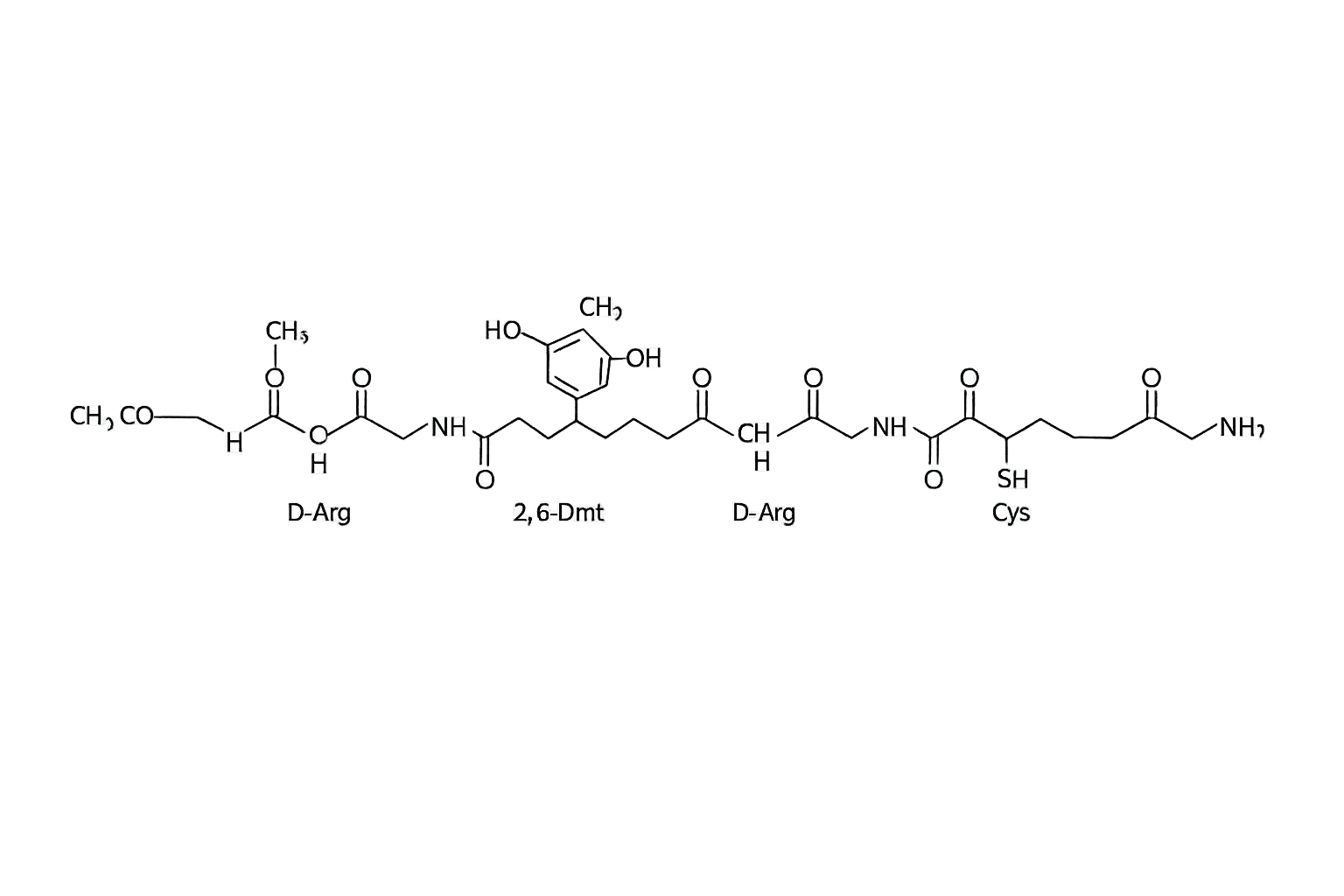
SS-31 (Elamipretide) mitochondria-targeted therapeutic

Educational Guide

What Is SS-31? The First Mitochondria-Targeted Therapeutic Explained (Part 1)

SS-31 (Elamipretide) is the first FDA-approved mitochondria-targeted therapeutic, cleared as Forzinity for Barth Syndrome in 2025. Unlike peptides that work through receptor signaling, SS-31 binds cardiolipin — a key structural lipid in the mitochondria — to repair the physical architecture that energy production depends on. This piece covers its discovery, its mechanism, and why that structural approach sets it apart from compounds like BPC-157 or Semaglutide.

Author
Stonehaven Bio
Publication date